
Empowering Communities in the Gambia Through Aquaponics Agriculture
The Floating Farm Project is dedicated to pioneering innovative solutions that address poverty and enhance food security across Africa. Our mission is to develop floating farms that provide sustainable food sources. We aim to empower local communities and reduce the need for migration of youths due to economic hardship. By harnessing advanced aquaponics techniques, we aim to create a resilient food system that supports both people and the planet. Where traditional ways of farming does not seem to work anymore due climate change, we are convinced that we need new solutions to ensure food security in Africa.
What if we could change this into this
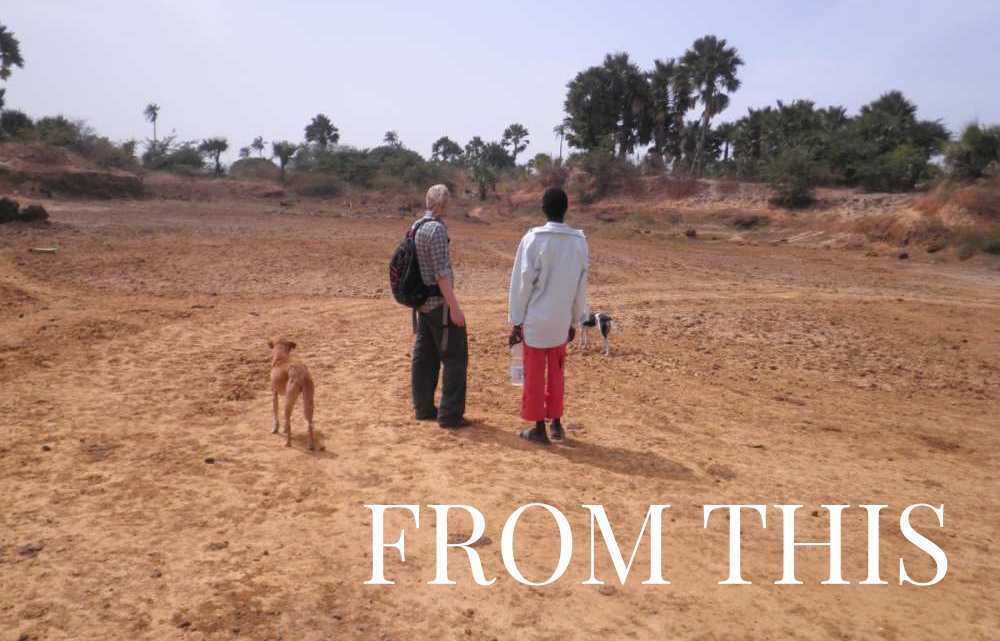
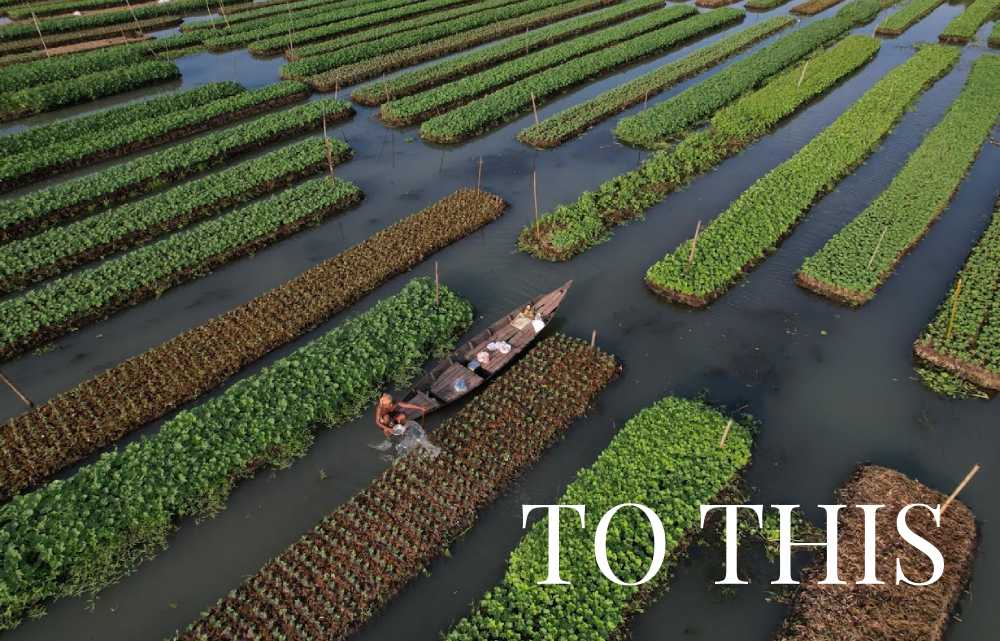
In this pilot project our mission is to convert a ‘dead’ area into large pond that generates thousands of kilo’s of vegetables and fish. We will transform an abondoned sandmine close to the village Kartong in the Gambia into a lively floating farm that provides food and creates jobs for the village.
How we do it
The first step in this project is to generate enough funds to purchase the materials we need. Once this goal has been achieved we will purchase pondfoil and place this into the right shape in the sandmine. After that we will have to wait for the rainseason arrive when mother nature will fill up our lake naturally.
Hundreds of bamboo rafts will be produced in the village which will be used to make our floating grow beds. The rafts will be covered with dead leaves and other vegetation to create a layer of soil for plants to grow.
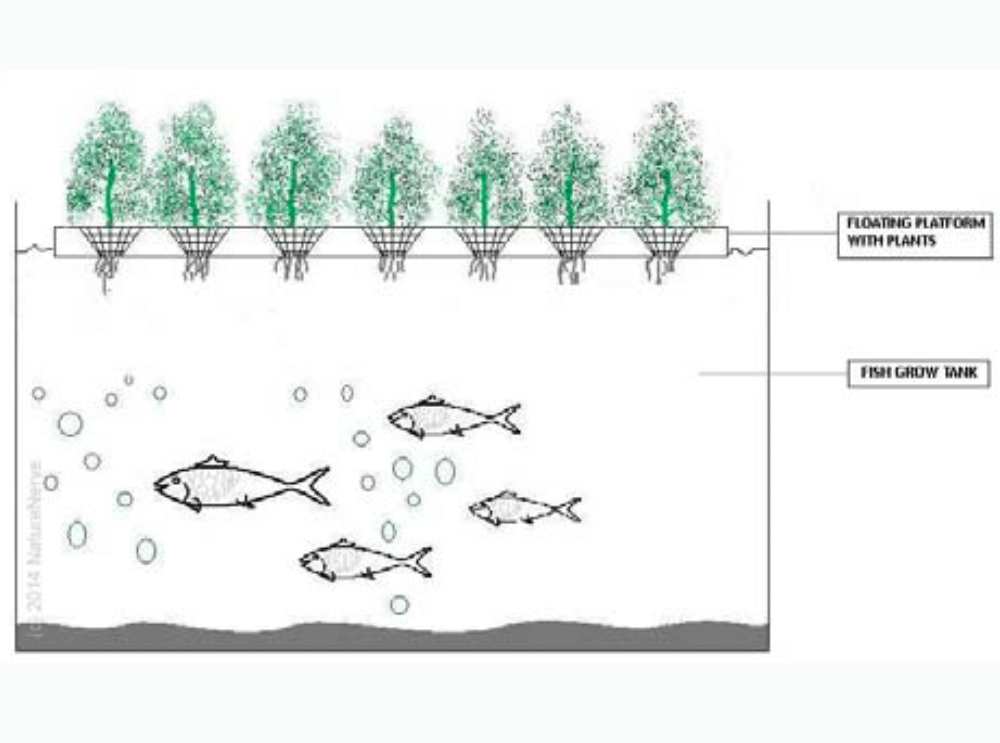
Our new artificial lake will be stocked with tilapia. A native fish that can be fed with duckweed only. Another benefit is that Tilapia grow quick and keep mosquito larves away. The fish poo works as a natural fertilizer adding lots of nutrients to the water resulting in more and bigger fruits.
It’s a new way of farming with much more yield for less work. This method saves up to 90% water compared to traditional methods of farming where plants have to be watered every day.
How Floating Farms increase food production compared to the traditional farming methods
Desertification in West Africa is a severe environmental issue caused by climate change. Deforestation, overgrazing, and unsustainable farming practices are leading to the loss of fertile land, making it difficult for people to grow crops and rear livestock. As a result, food insecurity increases, water sources dry up, and rural communities face economic hardships. Additionally, The Gambia depends heavily on imported rice and other goods. As prices are rising by the day, the simplest food sources are becoming unaffordable for the poorest people. Many people are forced to sell their land and migrate to other regions like Europe.

Producing more food
A floating farm can produce more food compared to the traditional farming methods. Aquaponics farming will increase food (fish & vegetables) production on the same plot of lands but reduces the water usage (because its no more needed to water the plants).
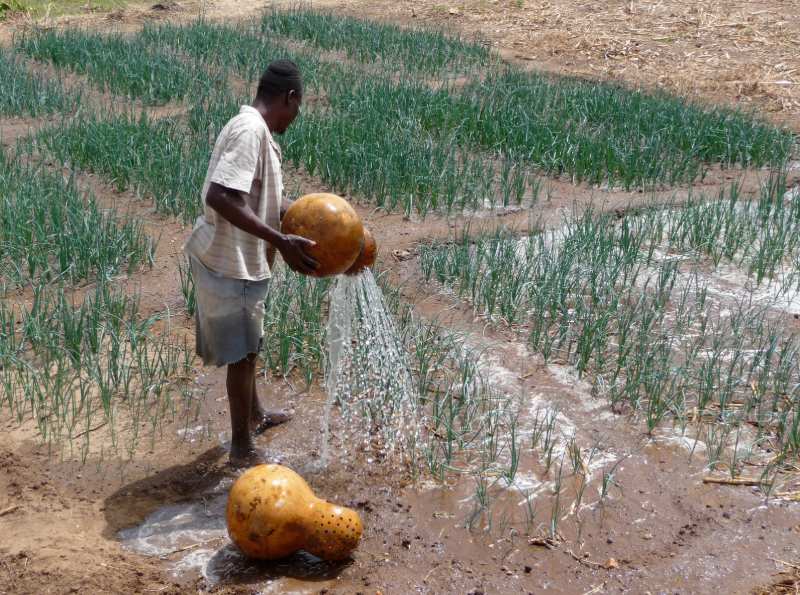
Reducing labour and use of water
African women lead difficult lives, watering their plots three times a day. A floating farm will reduce labor, as no watering of plants is needed—only maintenance of the farm and the harvesting of fish and vegetables.
100% Organic
The fish swimming in the floating farm fertilize the water needed by the plants. This farming method is 100% organic and does not cause environmental damage from chemical use. It’s basically a small ecosystem. When chemicals will be applied, the fish will die.
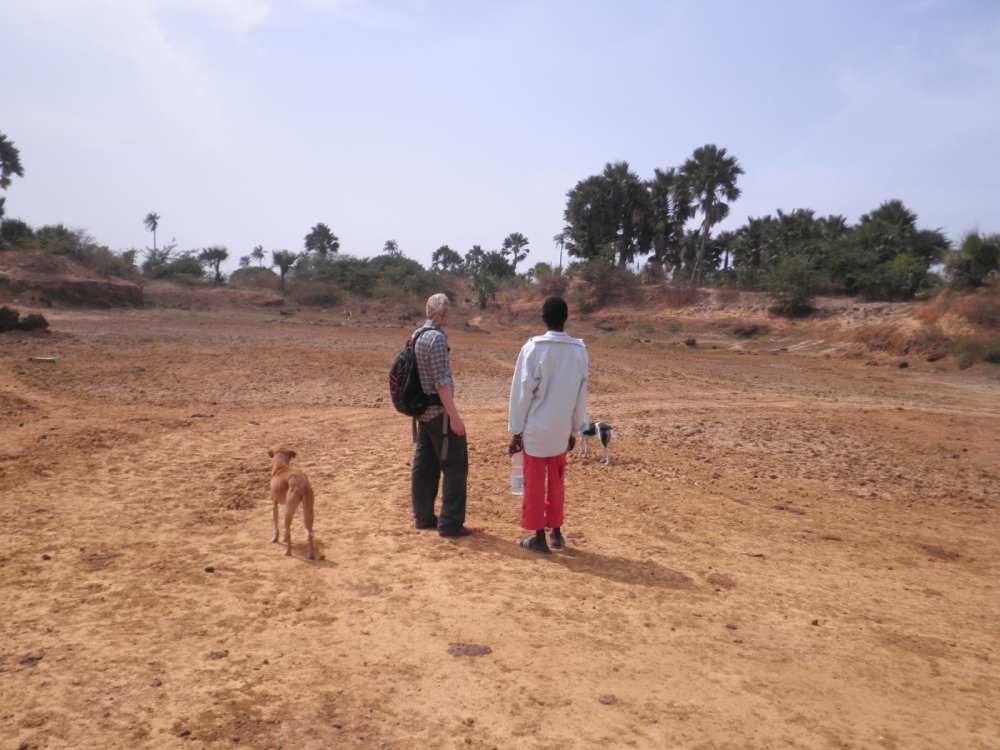
'We can change this into a floating food farm and feed everyone in this village'
In this image, Kevin (Founder of Floating Farm) and Musa Bah (Project Manager in The Gambia) are standing in an abandoned sand mine near the village of Kartong. Sites like this can be found all along The Gambia’s coastline. Illegal sand mining has not only devastated the once-thriving forest here but also stripped away natural protection against the encroaching ocean.
This land is lifeless and too damaged even for farming, which is why it’s been left untouched by the local community. Without action, it will turn into desert. But where others saw ruin, Musa and Kevin saw an opportunity. Their vision: a vibrant water farm, with a pond full of fish and floating bamboo rafts growing rice and vegetables. With the right support, we believe this forgotten place can become a source of food and hope for the entire village.
A perfect tool to fight migration
One of our core goals is to address the ongoing migration of Gambian youth to Europe—a crisis driven by a lack of opportunity and hope for a better future at home. Many young people sell their land to fund dangerous journeys abroad, believing there’s no viable future in Gambia. This pattern is not only heartbreaking but also deeply harmful to communities and local development.
Our project offers a powerful alternative: a new vision of farming that provides real income, purpose, and sustainability—right here at home. By introducing innovative, profitable, and sustainable agricultural methods, we aim to show young people that they don’t need to leave to succeed.
“Don’t sell your land—use it. Build a future. Farm smarter.”
Through this initiative, we aim to:
-
Inspire youth with practical, future-focused farming techniques
-
Help them turn land into livelihood, not a one-way ticket abroad
-
Create jobs, regenerate degraded land through reforestation, and provide food for the most vulnerable
This Al Jazeera item focusses on the youth of Kartong—the village where we plan to launch our pilot project. It highlights the urgency of the situation and underscores just how critical local solutions like ours are.
This project isn’t just about farming—it’s about hope, dignity, and opportunity at home.
UN DEVELOPMENT GOALS
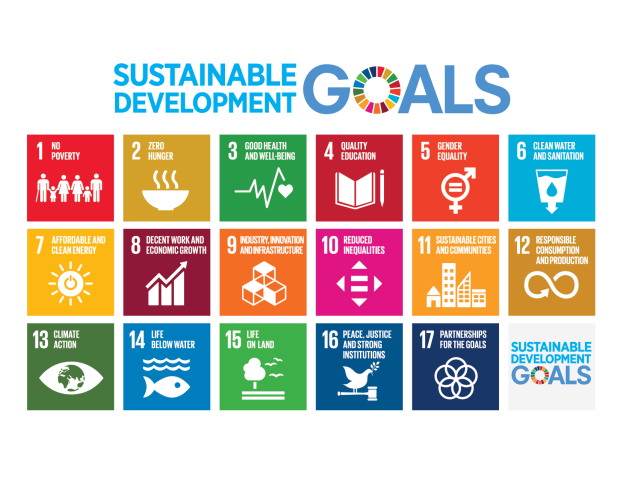
Floating farm support the UN Sustainable Development Goals by producing local food (Goal 2), using clean energy (Goal 7), and adapting to climate change (Goal 13). They also help make cities more sustainable (Goal 11) and create green jobs and learning opportunities (Goals 4 and 8).
A part of our farm will be used to grow native trees and mangroves which will be planted in the wild (Goal 15) in reforestation projects. In total this project will serve 7 United Nations Sustainable Development Goals.
Read our knowledge database
Read more about migration, aquaponics, hydroponics and similar projects around the globe.